
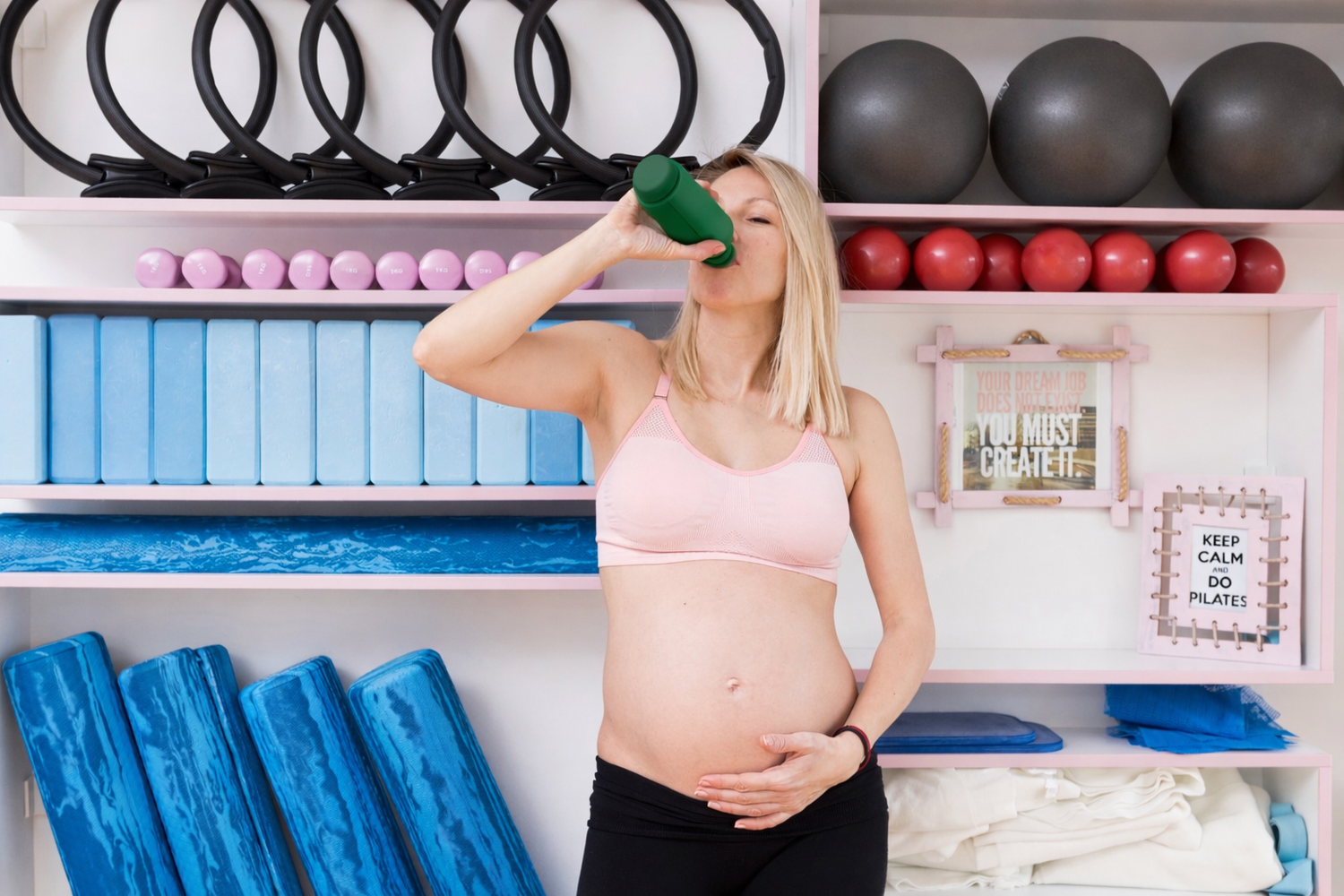
Pregnancy is all about changes, from your physical appearance to your appetite and your energy. One day you can’t wait to move your body and the next you’re wondering how you’re supposed to get out of bed at all.
The truth is, energy fluctuations shouldn’t stop you from working out, especially when staying active helps you feel strong, confident and grounded during pregnancy. And it’s completely okay to need a little boost in the form of pre-workout to have the energy to feel better.
But when you start searching for a “pregnancy safe pre-workout,” things get confusing fast. Some products claim to be safe, others say to avoid pre-workout entirely and ingredient labels don’t always make it clear what you’re actually taking.
In this guide, we’ve done the research to break it down in a simple, honest way, focusing on ingredients, transparency and formulation intent, so you can make informed choices and feel empowered, not overwhelmed.
Can You Use Pre-Workout During Pregnancy?
Some pre-workout supplements may be used during pregnancy, but it depends entirely on the ingredient list and dosage. Many traditional pre-workouts contain high caffeine levels, stimulants, or proprietary blends that are not designed with pregnancy in mind. If you’re considering pre-workout while pregnant, choosing a formula with moderate caffeine, transparent labeling, and no aggressive stimulants is essential.
Why Most Pre-Workouts Are Not Pregnancy Safe
Not every pre-workout is formulated with pregnancy in mind. And that’s not necessarily a flaw, it simply reflects who the product was originally designed for.
Pregnancy shifts priorities: energy feels different, recovery feels different and even ingredient tolerance can feel different. That’s why understanding formulation matters more than ever.
Here’s what often separates a pregnancy-conscious pre-workout from a traditional one:
Excessive Stimulants
Many traditional pre-workouts rely on stimulant stacks to amplify energy, focus, and performance. Beyond caffeine, some formulas include additional compounds designed to increase alertness or create a stronger “rush” effect.
These extra stimulants can heighten heart rate, intensify the nervous system response and create that wired feeling some athletes look for. But during pregnancy, that kind of overstimulation definitely doesn’t feel aligned with what your body needs.
Proprietary Blends & Ingredient Opacity
Transparency becomes especially important during pregnancy.
Some pre-workouts use proprietary blends, grouping multiple ingredients together under one combined number rather than listing each exact dose. While common in the supplement industry, this format makes it difficult to track how much of any single ingredient you’re actually consuming.
When you’re pregnant, knowing precise amounts allows you to make more confident, informed decisions about what fits into your routine.
Artificial Sweeteners
Pregnancy can heighten sensitivity to flavors, digestion, and certain additives. Artificial sweeteners are frequently used in sports supplements to enhance taste without adding sugar, but we should be more selective about each ingredient during this stage.
Ingredients Commonly Found in Pregnancy-Compatible Pre-Workouts
Pregnancy-conscious pre-workouts tend to focus less on extremes and more on balance: ingredients that feel intentional, clearly labeled and designed to work with your body, not against it.
Here’s what that usually looks like:
Moderate, clearly labeled caffeine
Caffeine doesn’t have to be dramatic to be effective.
In pregnancy-compatible formulas, you’ll often see moderate amounts of caffeine that are fully disclosed on the label: no stacking, no mystery totals, no hidden surprises. The focus shifts from “maximum stimulation” to steady, focused energy.
So what does moderate actually mean? Most health organizations commonly suggest keeping total daily caffeine intake during pregnancy around 200 mg per day. That includes everything: coffee, tea, chocolate and supplements combined. In that context, a pre-workout with a clearly labeled, controlled caffeine dose allows you to account for it within your overall daily intake rather than unknowingly exceeding it.
Amino acids for recovery & fatigue support
Pregnancy workouts aren’t always about pushing harder, sometimes they’re about recovering smarter.
Amino acids are often included in pregnancy-conscious formulas to support muscle recovery and reduce feelings of fatigue after movement. Rather than relying on stimulants, these ingredients help your body feel better during and after exercise.
For example, amino acids like L-Glutamine are commonly used in sports nutrition for their role in recovery and muscle support. Because when you’re building a baby, recovery isn’t optional, it’s essential!
Performance-support amino acids
Ingredients such as Beta-alanine are often used to support muscular endurance and help reduce exercise-related fatigue. Unlike stimulant-based energy compounds, these amino acids work through performance pathways rather than creating a heightened “wired” feeling.
These ingredients are designed to help reduce exercise-induced fatigue and support endurance to ensure sustainable performance.
Naturally sweetened & flavored formulas
Ingredient awareness doesn’t stop at the active compounds.
Many pregnancy-focused pre-workouts choose natural sweeteners and flavors over artificial additives. This feels gentler, especially when pregnancy heightens taste sensitivity or digestive awareness.
Ingredients Commonly Avoided in Pregnancy Pre-Workout Formulas
Pregnancy isn’t the time to chase extreme energy highs or mysterious “performance hacks.” When choosing a pre-workout during this special phase, some ingredients are best left on the shelf:
-
Very high caffeine (especially combined with other stimulants) – A moderate amount can be fine, but anything that feels like a heart-race or jitter-fest? Skip it. Your body and your baby deserve stability over spikes.
-
Proprietary blends that don’t disclose exact amounts – If a label is playing hide-and-seek with dosages, you don’t know what you’re really getting. Transparency is power.
-
Hard stimulant stacks – Those “extreme energy” formulas that promise you can run a marathon before breakfast? Not your vibe right now.
-
Fat-burner or “thermogenic” style formulas – Anything marketed to torch calories or rev up metabolism aggressively is better saved for post-pregnancy workouts.
-
Heavy artificial additives – Colorings, sweeteners, or flavorings that sound more like chemistry experiments than nutrition? Totally optional, and often best avoided.
The rule of thumb: if it feels like it’s designed to push you past your comfort zone or hides behind buzzwords, leave it for later. Pregnancy is about nourishing your body and showing up for movement, not chasing highs.
Let’s Check the Ingredients in this Pre-workout for Pregnant Women

When choosing a pre-workout during pregnancy, it’s important to understand what each ingredient does and why it might be included. Here’s a breakdown of the key components in a pregnancy-conscious formula:
Vitamin B12 – 500 mcg
This ingredient supports energy metabolism by helping convert food into usable energy. B12 is also important for red blood cell formation and nervous system health, which can be helpful in managing fatigue during pregnancy.
L-Citrulline – 3000 mg
An amino acid that helps increase nitric oxide levels in the body, improving blood flow and oxygen delivery to muscles. This can support endurance and reduce the feeling of muscle fatigue during exercise.
Beta-Alanine – 2000 mg
This one works to buffer acid build-up in muscles during activity, which can delay the onset of fatigue and support sustained effort during workouts. Unlike stimulants, it acts through performance pathways rather than creating a sense of heightened alertness.
L-Arginine – 1000 mg
Another amino acid that contributes to nitric oxide production, promoting healthy circulation. It may help support oxygen and nutrient delivery to muscles during exercise.
Taurine – 1000 mg
Supports hydration, electrolyte balance, and cardiovascular function. Taurine has a stabilizing effect on the nervous system and can help reduce feelings of fatigue without being stimulating.
L-Glutamine – 600 mg
An amino acid involved in muscle recovery and immune support. It may help the body repair and maintain muscle tissue after exercise, which is particularly useful during pregnancy when recovery is important.
Caffeine Anhydrous – 100 mg
A moderate amount of caffeine can help improve alertness and focus during workouts. In pregnancy-focused formulas, the dosage is kept low to minimize the risk of overstimulation while still providing mild support for energy.
Overall, the combination of these ingredients in pregnancy-conscious pre-workouts is designed to support energy, endurance and recovery in a safe and measured way, without relying on high stimulant doses or unclear proprietary blends.
For those interested in trying a formula specifically developed with pregnancy workouts in mind, you can learn more about this pregnancy-focused pre-workout support.
Quick FAQs: Pregnancy Safe Pre-Workout
Is pre-workout safe during pregnancy?
Some pre-workouts can be safe during pregnancy if they contain moderate, pregnancy-conscious ingredients like amino acids and low caffeine. It’s generally better to choose pre-workout formulas specifically designed for pregnancy, and always check labels and consult a healthcare professional.
Can I take caffeinated pre-workout while pregnant?
Small, moderate doses of caffeine (usually around 100 mg or less) can be used in pregnancy-safe pre-workouts, but it’s best to choose formulas specifically designed for pregnancy and consult a healthcare professional before use.
What should I avoid in pre-workout during pregnancy?
Avoid high caffeine, stimulant blends, fat-burning or thermogenic formulas, undisclosed proprietary blends, and heavy artificial additives.
Are pregnancy-safe pre-workouts stim-free?
Many pregnancy-safe pre-workouts are either low-stimulant or stim-free, relying on amino acids and nutrients rather than high-energy compounds.
Why are most pre-workouts not pregnancy safe?
Most pre-workouts contain high caffeine, hard stimulant blends or thermogenic ingredients, which can be unsafe or overly stimulating during pregnancy.
What are the key ingredients in Nutrabump’s pregnancy-safe pre-workout?
The pregnancy-safe pre-workout by Nutrabump includes vitamins and amino acids that support energy, endurance, and recovery, specifically Vitamin B12 for energy, L-Citrulline and L-Arginine for circulation, Beta-Alanine for muscle endurance, Taurine for hydration, L-Glutamine for recovery, and a moderate dose of caffeine for focus without overstimulation.
Final Thoughts: Supporting Movement Safely During Pregnancy
Staying active during pregnancy offers many benefits, from improved circulation and energy levels to maintaining strength and mobility. Exercise can support both physical and mental well-being, but it’s important to approach workouts thoughtfully.
When it comes to supplements, including pre-workouts, making informed choices is key. Not all products are designed with pregnancy in mind, so it’s best to look for pregnancy safe pre-workout formulas that provide gentle support without overstimulation. Ingredients like amino acids, vitamins, and low-dose caffeine can help sustain energy and endurance, but the goal is support, not pushing your limits.
Listening to your body is essential. Fatigue, discomfort, or unusual symptoms are signs to adjust intensity or pause. Pre-workout supplements should complement movement, helping you feel ready and recovered, not driving you to overexertion.
At the end of the day, supplements are there to support your movement, not push beyond what your body needs. Prioritize safety, informed choices, and listening to yourself, because fitness during pregnancy should feel empowering, not exhausting.